Nature and Landscape
The route of the old railway cuts through a rich and diverse landscape.
The Wildlife Corridor
The area is characterised by its rugged, rolling heather moorland, extensive peatlands, shady woodlands, and fellside streams. Scattered throughout the landscape is evidence of a rich mining history, testifying to the regions past industrial heritage. Beginning in the east, the old railway route lies within, and traverses the northern edge of The North Pennines National Landscape. In addition to its National Landscape designation, the region has gained recognition as a UNESCO Global Geopark, highlighting its internationally significant geological heritage. The railway itself stands as a monument to the coal mining efforts that once defined the area.
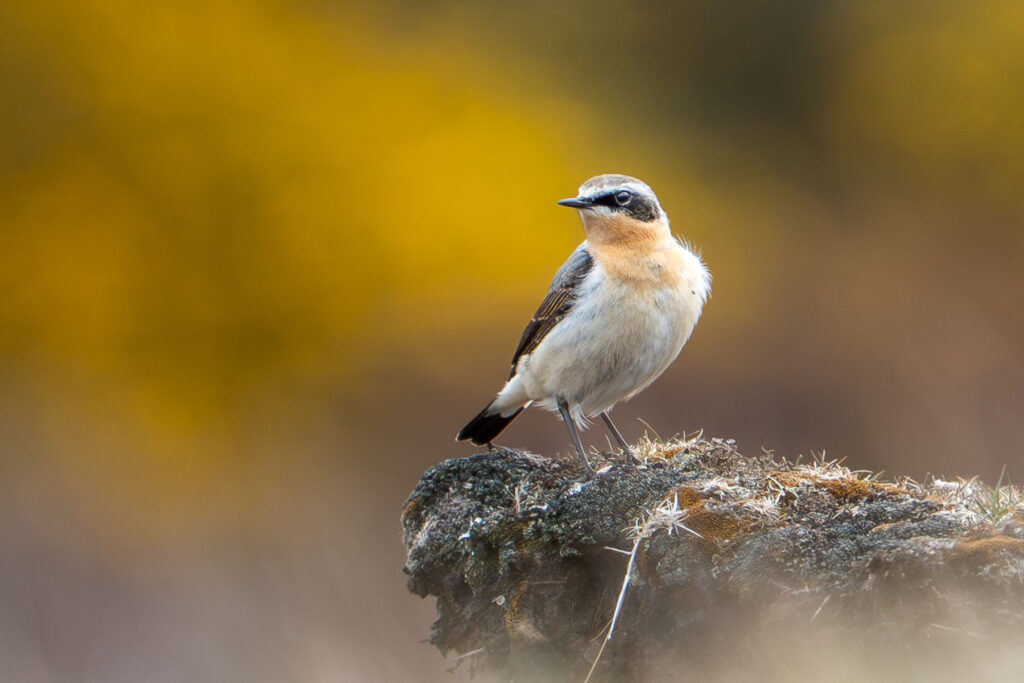
The railway path also skirts the northern boundary of the RSPB Geltsdale Nature Reserve and encompasses the Geltsdale and Glendue Fells Site of Special Scientific Interest (SSSI). Throughout the spring and summer months, the skies are filled with the calls of ground-nesting birds such as Curlew and Lapwing. Occasionally, Black Grouse may be spotted, while those with keen eyesight might observe Hen Harriers gliding overhead as they patrol the reserve.
The varied landscape provides ideal habitats for a wide range of amphibians and insects. Adders, whose populations have been on the rise, are known to breed beside sections of the track and are sometimes seen basking on the old railway bed. Occasionally, the yelp of a curious dog will signal their presence. Dragonflies are frequently observed along the railway at Whites Cut and The Howard, with Four Spotted Darters and Common Hawkers appearing regularly during the summer.
Redundant railways often serve as undisturbed, linear wildlife corridors. These protected stretches foster diverse habitats, creating safe havens for a wide variety of species and promoting the conservation of the region’s unique natural heritage.