A Brief History of the Railway
The development of the railway and its legacy as it stands today.
The Development and Decline of the Railway
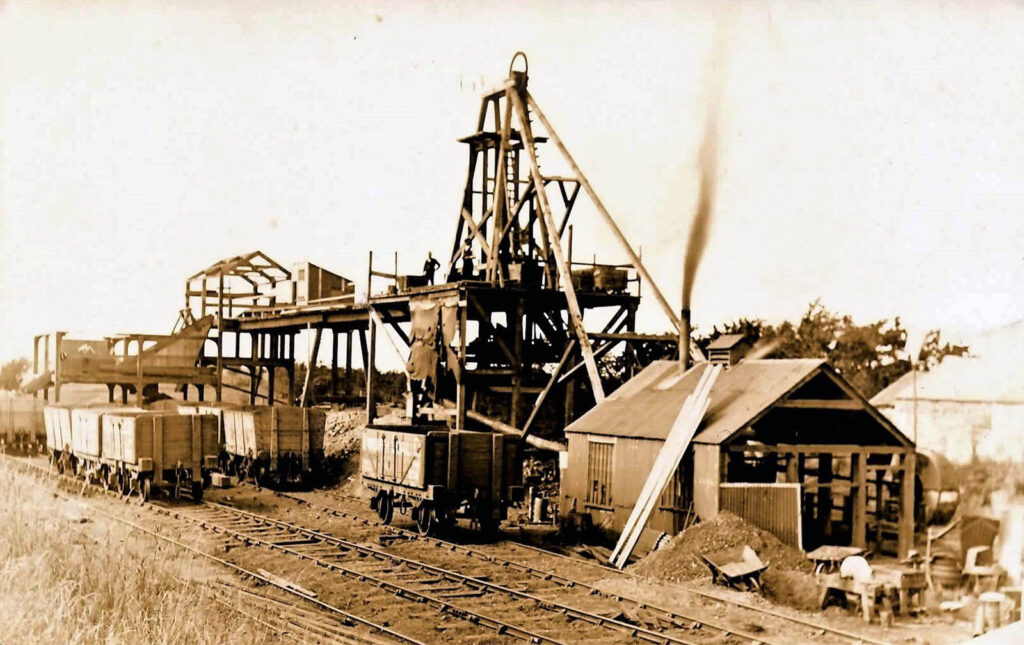
In the 1780s, the 5th Earl of Carlisle aimed to increase coal output at Howgill. Coal was transported by horse-drawn carts or ponies to Black Dub or Carlisle. In 1798, a gravity-powered wooden railway linked Shop Pit to a coal staithe near Brampton to streamline these operations.
By 1821, James Thompson, the Earl’s energetic agent, proposed expanding the coal mining business with a new mine at Midgeholme. The Earl sought advice from the renowned railway engineer George Stephenson, who was impressed by Thompson’s drive and acumen.
Construction of a new railway from Hallbankgate began in 1826 with iron rails on stone blocks. By 1828, the line reached Tindale but was delayed by the challenge of crossing a deep valley and Tarn Beck. In 1830, the eastern embankment collapsed; after George Stephenson’s advice to allow settling time, it was completed in 1832. The line then extended towards Whites Cut, Midgeholme, and over Black Burn valley to King Pit colliery.
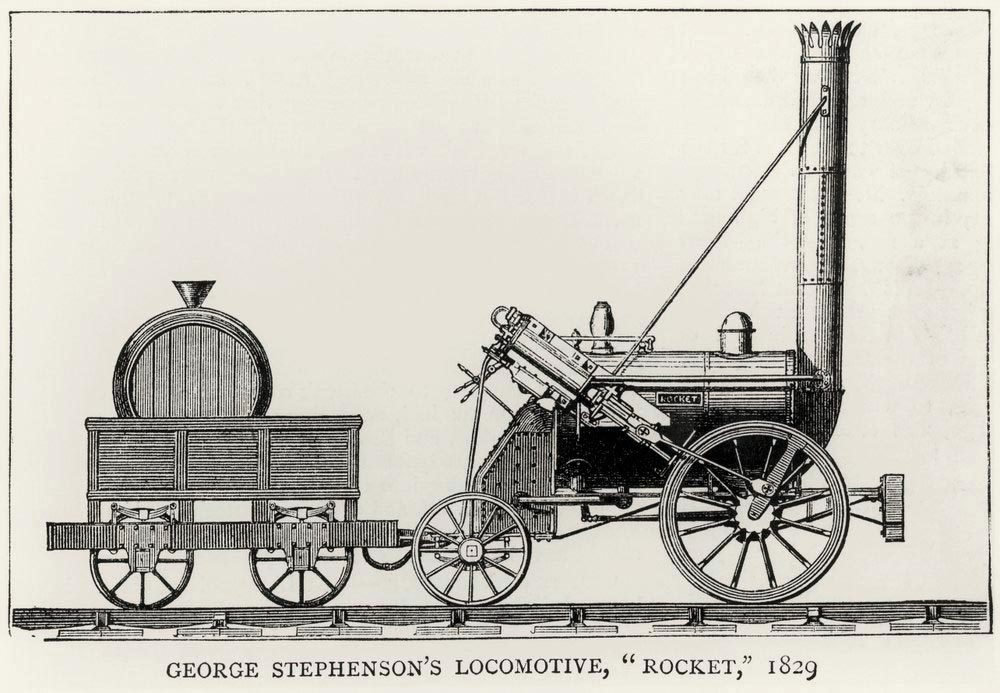
Originally intended for horse haulage, the new railway realised its commercial potential with steam power. James and Mark Thompson obtained the “Rocket” locomotive from the Liverpool and Manchester Railway, transporting it to Kirkhouse in 1836 via sea, canal, and cart. The “Rocket” then began hauling coal from Midgeholme to Tindale, and onwards to Hallbankgate and down the incline to Kirkhouse.
By 1838, the “Rocket” was found to be too weak for coal hauling and replaced by “Belted Will,” a modified Hackworth engine redesigned by James Thompson with Robert Stephenson’s help. After briefly shunting trains on the Bishophill branch from Tindale, “Rocket” was retired at Kirkhouse in 1843.
Thompson’s railway boosted coal, stone, and lime transport through the nineteenth century, increasing profits. After World War I, traffic declined sharply. By the 1930s, only three steam engines were needed, and the route was shortened. Falling coal reserves and growing road transport led to its closure in 1953; tracks were removed in 1954 and locomotives moved to other coalfields.
The Railway Legacy
Today, much of the route remains accessible to visitors. Excellent views of the Tindale “battery” can be enjoyed from a walk around The Jack or the old smelter site. Heading west from Tindale, the route passes through the deep cutting excavated in 1828, past the Bluegate mine and the reservoir at Howard. The permissive path is interrupted by a demolished bridge at Clowsgill, but the descent to road level provides a striking view of a culvert carrying the beck beneath the old railway.
On approaching Hallbankgate, the two railway routes converge, with the original 1798 wooden railway running alongside Thompson’s 1826 line in the field before the village hall. The final few hundred yards of railway history can be traced by leaving the later Thompson route and taking the path along the wooden railway, starting behind the current community shop “The Hub” and descending the old incline to fields adjacent to the A689 east of Farlam Hall.